Autonomous Driving in 2026: Which Cars Will (Almost) Drive Themselves?
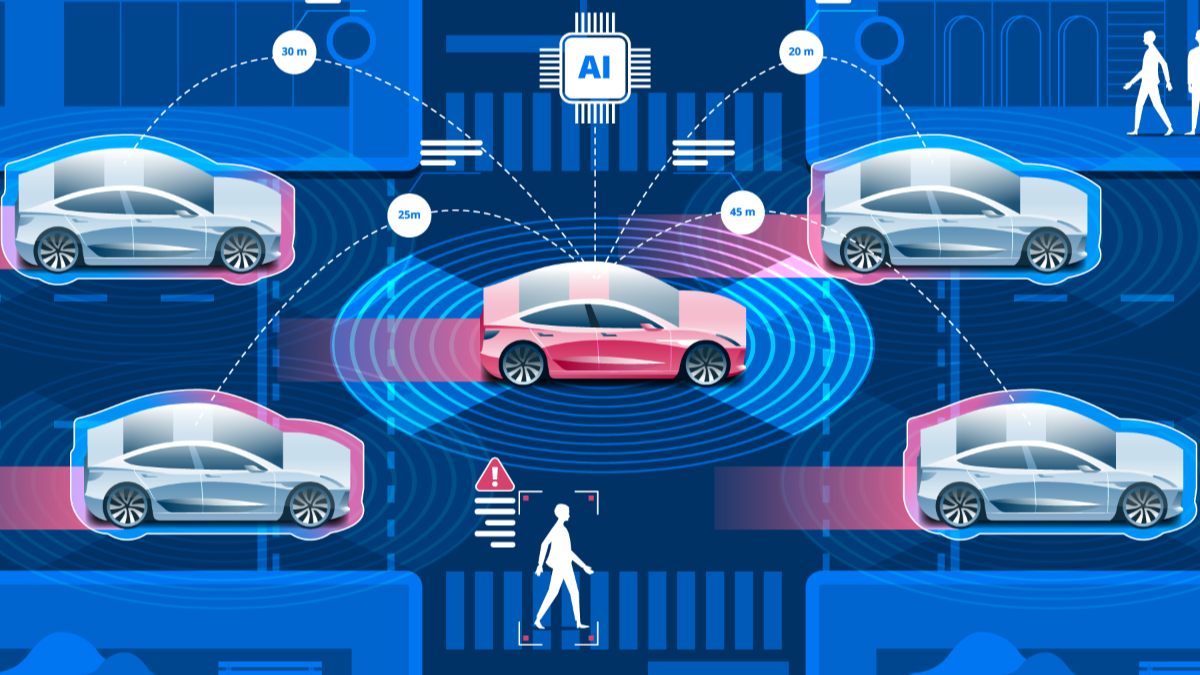
The future of driving is closer than ever. While we’re not yet living in a world where you can take a nap while your car takes you to your destination, 2026 will be the year when advanced self-driving features become truly mainstream — not just in concept cars, but in real vehicles available to consumers.
Let’s break down where we are today and which cars you’ll be able to buy — or ride in — that (almost) drive themselves.
🧠 Understanding the Levels of Autonomy
The Society of Automotive Engineers (SAE) defines six levels of driving automation:
- Level 0: No automation
- Level 1–2: Driver assistance (like adaptive cruise control and lane centering)
- Level 3: Conditional automation (the car can handle driving, but human must take over when prompted)
- Level 4: High automation (car can drive itself in specific areas without human input)
- Level 5: Full automation (no steering wheel needed)
In 2026, most consumer cars will feature Level 2+ systems, with early examples of Level 3 and limited use of Level 4 (primarily in robotaxi services).
🚗 Level 2–2+ Automation: Hands-Free, But Not Mind-Free
In this category, the car assists heavily with driving — steering, acceleration, braking — but the driver must remain engaged and ready to take control.
Notable features include:
- Lane centering
- Highway hands-free driving
- Adaptive cruise control
- Automatic lane changes
- Traffic jam assist
Popular examples expected in 2026:
- Tesla with its enhanced Autopilot and Full Self-Driving (FSD) in supervised mode
- Mercedes-Benz models with Drive Pilot and Advanced Lane Change Assist
- Ford with BlueCruise 1.3 on highways
- GM Super Cruise across various Cadillac and Chevrolet models
These systems won’t make your car fully autonomous, but they significantly reduce driver fatigue — especially in traffic and long highway stretches.
🤖 Level 3–4: The Rise of Conditional and High Automation
By 2026, a few select vehicles will begin offering Level 3 autonomy under very specific conditions — for example, in slow-moving traffic or on mapped highway sections.
But the real leap will come with Level 4 robotaxis, which can operate without a human driver in defined areas (called “geofenced” zones).
These vehicles will be limited in availability, but mark a major step forward in real-world autonomy.
Examples to watch:
- Robotaxi fleets in major U.S. and European cities (Hyundai, Waymo, Lucid)
- Mobility-as-a-Service (MaaS) platforms offering autonomous ride-hailing
- Urban electric vehicles designed for self-driving operation in low-speed environments
While private ownership of Level 4 vehicles may still be a few years away, consumers will begin to experience autonomy via ride-sharing and robotaxi apps in select cities.
🔧 What Will Be Available to Consumers in 2026?
If you’re buying a car in 2026, expect to see these technologies:
- Highway hands-free driving, standard or optional on mid-to-premium models
- Automated lane changes, often triggered by turn signal or navigation
- Over-the-air updates that improve AI driving logic over time
- Driver monitoring systems to ensure you're attentive when required
- Select models offering Level 3 functionality, such as in traffic jams or stop-and-go highway scenarios
The difference between basic driver assistance and true automation is context — and in 2026, cars are getting smarter at understanding it.
🚦 What’s Next?
Full autonomy (Level 5) is still not around the corner. But with robotaxis becoming operational and mass-market models offering supervised autonomous driving, 2026 is the tipping point.
We’re entering an era where your car can handle most of the driving — not someday, but now.
Whether you’re a tech enthusiast, a frequent highway commuter, or just hate traffic, 2026 will be the year when your car starts thinking for itself — and driving for you.